This week's material with neuroscience and art seem like they may not be similar, but in reality there is a lot in common. Our minds create art both consciously and subconsciously.
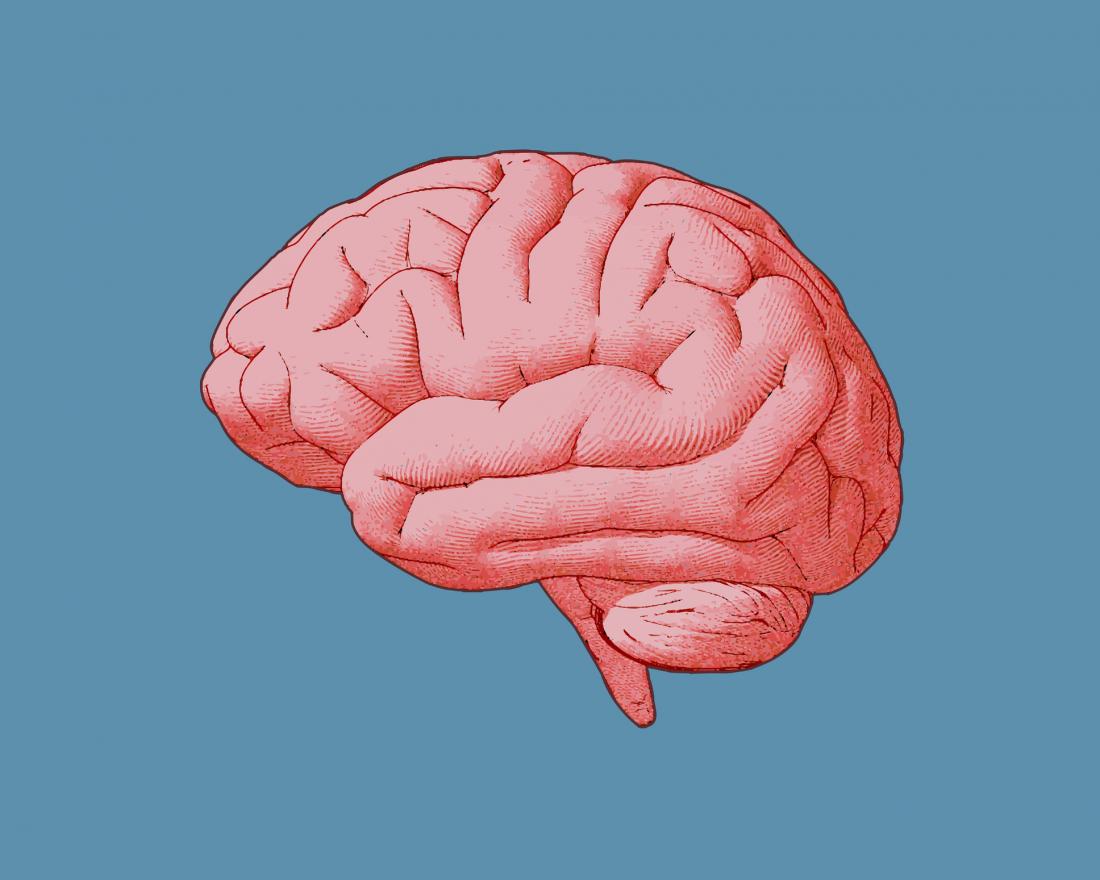
I think that the idea of consciousness and the ability to use it for art is cool and it takes last week's material one step further. The brain is so interesting in that it is very unique. There are so many functions our brain allows us to do. The idea that we can draw out our nervous system looks like is very cool because it is very detailed and just helps show the relationship science and art have. Another interesting thing our brain allows us to do is dream. About 95% of the time we don't remember our dreams. There is so much research on what happens in our subconscious minds that is fascinating. Freud argued that our subconscious minds were a place that is not being used for positive things and nothing was really going on there. On the other hand, Jung argued that this was where our creativity was from.

Additionally, I think it is interesting how research was conducted with psychedelic drugs. Timothy Leary tested mind-altering drugs that changed the perception of the real world, LSD. This was definitely a questionable experiment, but he used these substances to see the world in a different, artistic way. Drugs like LSD are able to alter the brain chemistry to display hallucinations and it is interesting how we are able to alter our conscious mind with the use of drugs. Looking at images of what people see on LSD, I think that it displays how neuroscience and art have a great relationship.

Resources:
deCharms, Christopher. A Look inside the Brain in Real Time. 1206377160. www.ted.com, https://www.ted.com/talks/christopher_decharms_a_look_inside_the_brain_in_real_time.
LSD - Alcohol and Drug Foundation. https://adf.org.au/drug-facts/lsd/. Accessed 13 May 2022.
Team, B. and S. (2020, September 29). Why do we dream? A sleep expert answers 5 questions. Cleveland Clinic. Retrieved May 13, 2022, from https://health.clevelandclinic.org/why-do-we-dream-a-sleep expert-answers-5-questions/#:~:text=Most%20dreaming%20occurs%20during%20REM,and%20the%20forebrain%20generates%20dreams.
Timothy Leary | Department of Psychology. https://psychology.fas.harvard.edu/people/timothy-leary. Accessed 13 May 2022.
Vesna, Victoria, director. Neuroscience pt3. YouTube, UC Online, 16 May 2012, https://www.youtube.com/watch?v=E5EX75xoBJ0&t=1s.

Hey Sydney!
ReplyDeleteI like what you included about not remembering our dreams! I think that could also be a really unique foundation to build neuroscience-art off of! Love your blog formatting too :)
-Samantha
Hello Sydney! I like that you mentioned the dreams in your post. I was wondering if our brain is able to alter our perception of the world around us in a dream in a similar manner as LSD can. I also think, as you said, that our mind creates art both consciously and subconsciously. I feel like it is important to always listen to our inner voice. Thank you for your post.
ReplyDeleteHi Sydney! I enjoyed reading your post because you talked a lot about dreams. I focused on something different for my blog so it was refreshing to read about it. I always found dreams so interesting because I've always dreamed a lot since I was a kid. The effect of drugs on our brains and on our consciousness is also something that a lot of people want to know more about. I learned from this week that there is so much about our minds that we still do not understand which makes it that much more fascinating.
ReplyDelete