Event 2

 This week I attended Jessica Irish's zoom meeting. She talked about how plastic is harming not only our Earth, but the human race and animals. 

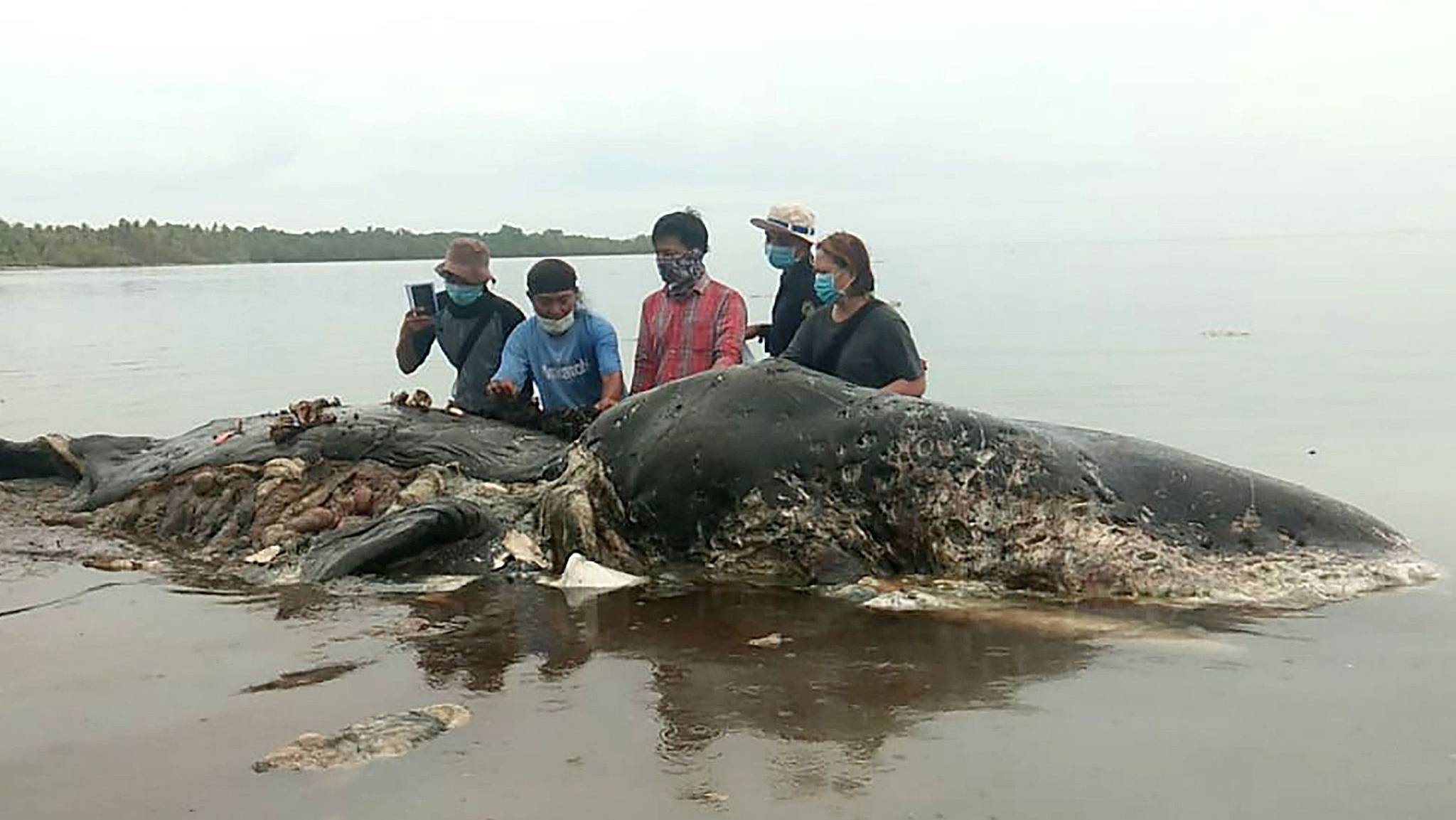
From this meeting, I learned that micro plastic is now in almost everything. Micro plastics are in our food, water, environment, and even in rain. In 1940 plastic was created, for the most part plastic has been helpful for our everyday lives. It has been created to be helpful to us in order to store things, in buildings, transportation, and industrial machinery. The consequences of plastic is much bigger. Wild life in the ocean, for example, are dying from consuming plastic that is left in the ocean. Jessica's example she used were whales in the ocean. This example connected the issue with real life and it showed the serious consequences plastic has on not only the humans, but the animals as well. In addition, she had mentioned that there is now more built mass than natural ecosystems left on Earth. This is highly problematic because we are driving animals out of their homes and destroying land to build more cities and structures. 

Growing pain: How plastic ends up inside marine animals - CGTN

As an artist, Jessica was able to create a film that helped bring awareness to serious problems in our world by collaborating with researchers and scientists. What I found interesting was her thought process for her film. She used a what/where/why/who/how approach that ultimately made her film so intriguing. This helped her target exactly what she wanted her film to be and what audience she wanted to reach and how to reach them. I also liked how she thought about how the hands in her film were like a visual narrator. We all touch plastic everyday and she mentioned how it shows that our skin is temporary, but plastic will outlast us. She did research and collaborated with scientists to look into plastic to get microscopic images and researchers to get statistical numbers. Her film made me think of how I can be more sustainable and make more conscious decisions to use less plastic. 
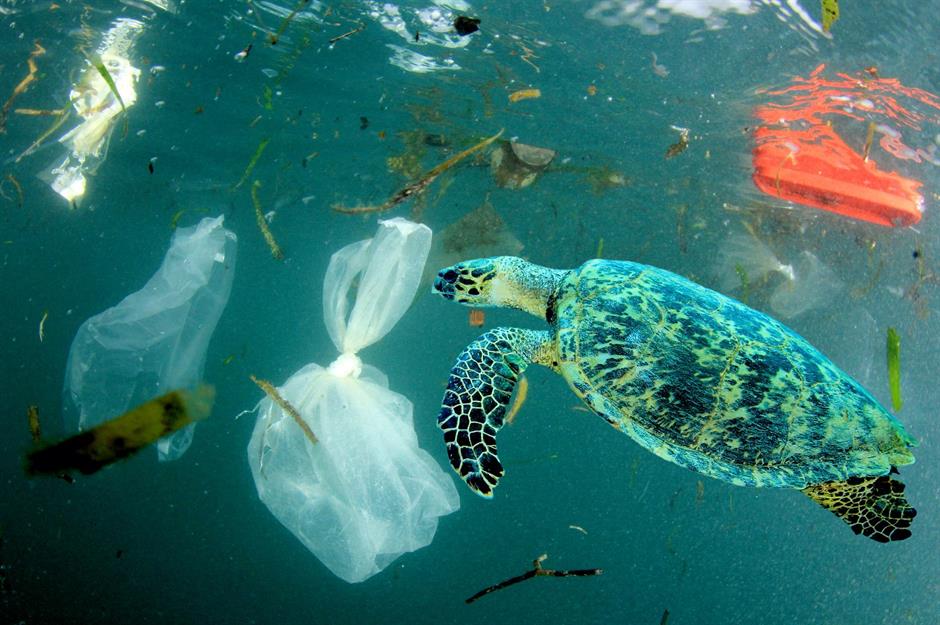
These images show the true impact of plastics on our oceans |  loveexploring.com

Comments

Popular posts from this blog

WEEK 7: Neuroscience + Art

 This week's material with neuroscience and art seem like they may not be similar, but in reality there is a lot in common. Our minds create art both consciously and subconsciously.  I think that the idea of consciousness and the ability to use it for art is cool and it takes last week's material one step further. The brain is so interesting in that it is very unique. There are so many functions our brain allows us to do. The idea that we can draw out our nervous system looks like is very cool because it is very detailed and just helps show the relationship science and art have. Another interesting thing our brain allows us to do is dream. About 95% of the time we don't remember our dreams. There is so much research on what happens in our subconscious minds that is fascinating. Freud argued that our subconscious minds were a place that is not being used for positive things and nothing was really going on there. On the other hand, Jung argued that this was where our creativi...

Week 6: BioTech & Art

 In this week's lecture, we learned about biotechnology and art and the ways that they work together. This week's material really opened my eyes to something I had surface level knowledge of previously. I knew that biotechnology altered genetics, but I did not know how it could connect to art. Eduardo Kac's green rabbit was created by transferring a fluorescent gene from jellyfish to the cells of an albino rabbit. Though it is cool that there is now a glowing green rabbit, it is a questionable form of the use of biotechnology. Some genetically engineered organisms make me think that maybe biotech artists are going too far with their experiments and should not push the limits to what they can do with genetic engineering.  Another example would be artist Marta DeMenezes' butterfly wings. She modified monarch butterflies' wings and the result ended with holes in their wings. Similar to the rabbit, cell structures were altered and the genetic makeup of the organism was ...