In this week's lecture, we learned about biotechnology and art and the ways that they work together. This week's material really opened my eyes to something I had surface level knowledge of previously. I knew that biotechnology altered genetics, but I did not know how it could connect to art. Eduardo Kac's green rabbit was created by transferring a fluorescent gene from jellyfish to the cells of an albino rabbit. Though it is cool that there is now a glowing green rabbit, it is a questionable form of the use of biotechnology. Some genetically engineered organisms make me think that maybe biotech artists are going too far with their experiments and should not push the limits to what they can do with genetic engineering.

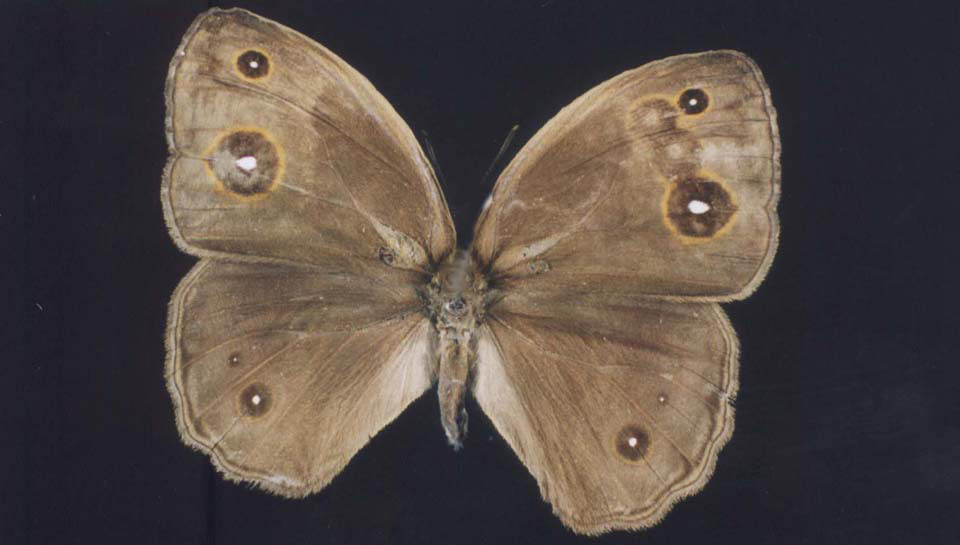
Another example would be artist Marta DeMenezes' butterfly wings. She modified monarch butterflies' wings and the result ended with holes in their wings. Similar to the rabbit, cell structures were altered and the genetic makeup of the organism was changed. This example also shows how dangerous or unnecessary this use of biotech is used for.
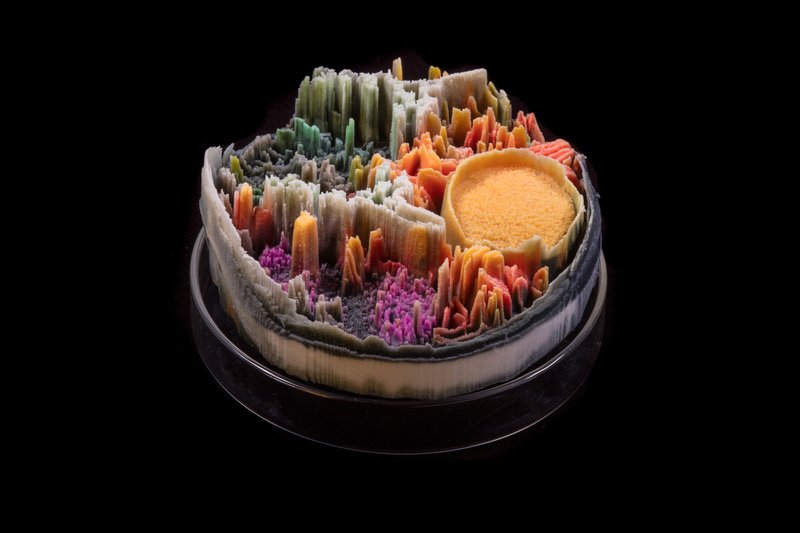
It is a little scary what people do with genetic engineering and it may have gone too far. Manipulating living organisms is a negative way that biotech can be used. Biotech is not only limited to altering humans and animals, Suzanne Anker uses biotech to create small masterpieces. She uses plants and the environment to show how biotech and art work together to create something beautiful. In the process, she introduces her audience to genetics, climate change, extinction, etc. Though the rabbit and butterfly wing manipulation was a result of the artists' creativity, using biotechnology ethically to help the world for the greater good in a positive way.
References:
“GNN - Asymmetrical Butterfly Wings.” GNN - Genome News Network, 28 May 2004,
http://www.genomenewsnetwork.org/articles/2004/05/28/butterflywings.php. Web. 6 May 2022.
Kac, Eduardo. “GFP Bunny.” KAC. KacWeb, Mar. 2000. Web. 6 May 2022.
Levy, Ellen K.. “Defining Life. Artists Challenge Conventional Classifications.” 6 May 2022, UCLA, Bruinlearn.
Suzanne Anker Astroculture Plant Boxes - Children’s Museum of the Arts New York. https://cmany.org/classes-and-activities/activities/view/suzanne-anker-astroculture-plant-boxes/. Accessed 6 May 2022.
Vesna, Victoria. "5 BioArt pt2" DESMA 9, 6 May 2022, UCLA, Bruinlearn, Unit 6

I enjoyed reading your blog. I agree that sometimes using our artistic creativity on living organisms by altering their genetics can be dangerous. I do however remember that Kac said there was no harm transferring fluorescent to the rabbit. I do however recognize your point. U agree with how beautiful the artwork can be when applying biotechnology such Suzanne did as you mentioned in the last paragraph. Awesome interpretation of this week’s material.
ReplyDeleteHi Sydney! I really enjoyed your blog. I was also pretty shocked and honestly a bit weirded out when I learned about the evolution of BioTech art. Projects like Eduardo Kac's genetically modified bunny and Marta Demeneze's butterfly wings are extremely fascinating, but they aren't exactly beneficially, and are not ethical. However, Suzanne Anker's use of BioTechnology is equally fascinating and is very beneficial because her projects can be used to educate societies on crucial topics. Great job!
ReplyDelete