The integration of art, science, and technology can be found in the medical field. In this week's lecture, we discussed how the medical field uses art and technology to do a variety of things. Today, technology is used to diagnose and find medical conditions that cannot be seen without the help of such technology. For example, the Magnetic Resonance Imaging (MRI) technology is used to visualize, diagnose, and treat conditions that are not seen from the outside. MRI images are like an artwork itself. It shows an image of the structure of the human body. We are able to see the structures inside our body we cannot see with the naked eye. Silvia Casini's research of MRI configurations show that MRI scans have been used to make many art pieces.

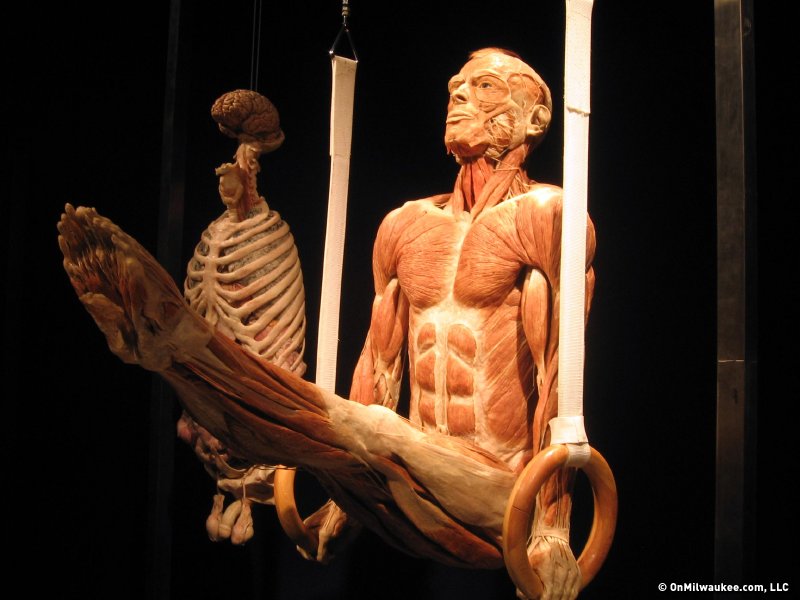
In addition, the lecture mentions the project Body Worlds. This exhibit had preserved bodies that were made as sculptures. They have unusual sculptures and some parts are even alone, but this exhibit preserves the anatomical structures to display the human anatomy. I think it is really interesting, creepy, and cool that this is an exhibit. The displays are really interesting because it is everything that is under our skin that we cannot see, but now we can see them. It may not seem like art, but the exhibit strives to raise awareness about healthcare.
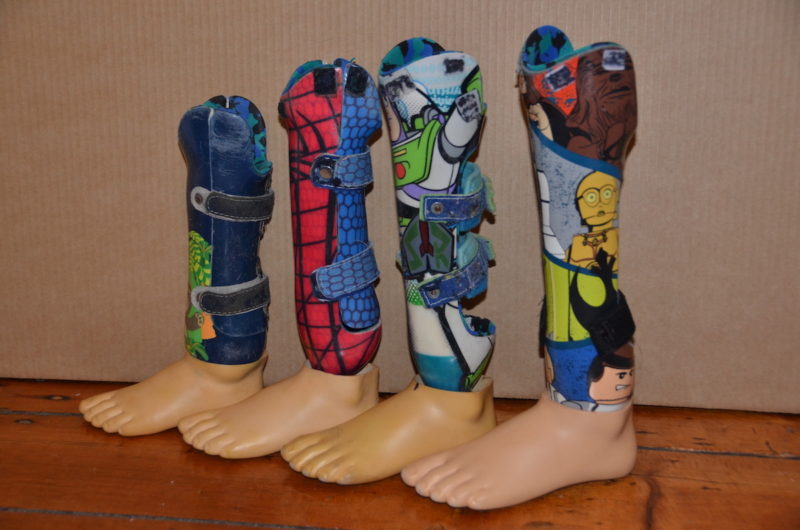
Lastly, medicine, technology, and art come together to create prosthetics. For example, Alleles Design Company uses art to create cute and creative designs for prosthetics. They create the design on a computer in 3-D, then use manufactures them so that they are fashionable and durable. This way, those with prosthetics can have comfort that their difference may not seem so standout-ish. Additionally, the use of exoskeletons can help those with injuries, like spinal cord injuries, walk again. The machines itself are a type of art. They are created for users to wear with colorful designs, which make them more easier to wear, especially with children. I think that artists and those in the medical field can work together to bring more awareness to health in general, while making it easier to understand or see.
Resources:
Casini, Silvia. “Magnetic Resonance Imaging (MRI) as Mirror and Portrait: MRI Configurations between Science and the Arts.” Configurations, vol. 19, no. 1, 2011, pp. 73–99. Crossref, https://doi.org/10.1353/con.2011.0008. Jagannathan, Moneyish, Meera. “This Design Duo Turns Prosthetic Limbs into Works of Art.”
New York Post, NYP Holdings, Inc./New York Post, 6 July 2018, https://nypost.com/2018/07/06/this-design-duo-turns-prosthetic-limbs-into-works-of-art/.
“Mighty MRI.” Mighty MRI, 8 Mar. 2019, discoverymag.umn.edu/stories/mighty-mri.
Register, Orange County. “Popular ‘Body Worlds’ Exhibit Returns.” Orange County Register, 28 Mar. 2008, www.ocregister.com/2008/03/28/popular-body-worlds-exhibit-returns.
“Medicine + Technology + Art | Lectures.” Lecture Part 1, uploaded by Victoria Vesna, 21 Apr. 2022, bruinlearn.ucla.edu/courses/129896/pages/unit-4-view?module_item_id=4852512.
“MRI as art: How one radiologist uses MRI images as his artistic muse.” GE Healthcare, 23 Nov. 2018, www.gehealthcare.com/article/mri-as-art-how-one-radiologist-uses-mri-images-as-his-artistic-muse.

Hi Sydney,
ReplyDeleteIt is fascinating to see art, medicine, and technology come together to create useful tools for the medical field. Your example from the Alleles Design Company that makes creative prosthetics was very cool and interesting. The sculptures depicted in the Body Worlds exhibit is another fascinating example of what our bodies look like on the inside. It’s exciting to see so many developments combining various aspects of art, medicine, and technology and that these creations are helping to improve people’s lives.
Hello Sydney!
ReplyDeleteI loved your blog post this week! I loved the example you used featuring the prosthetic legs that have been designed to be more appealing to children who may have experienced the loss of a limb. This integration between art and science is so necessary in the real world and the Alleles Design Company is a perfect example of this! Great work!